CAQH Provider Data Portal: Profile Update & Attestation Guide
Learn how to update your CAQH provider profile, complete attestation, maintain required documents, and avoid credentialing delays in this 2026 guide.
Schedule Free Demo Today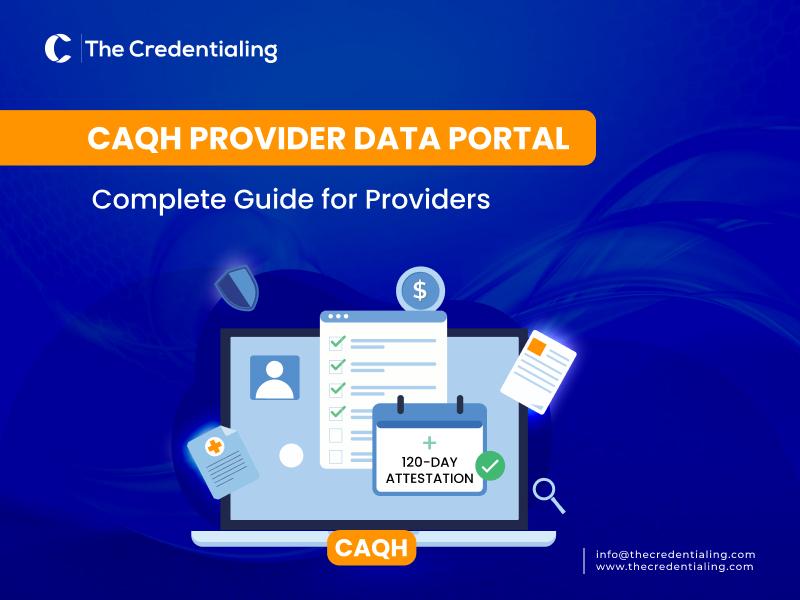
Maintaining an accurate CAQH Provider Data Portal profile is an important part of the provider credentialing and payer enrollment process. Providers should keep their professional information and required documentation current and complete the applicable attestation requirements shown in the portal.
Credentialing is the core of a successful practice. It not only ensures every provider’s qualification but also that every patient receives safe and appropriate care. That said, for most providers, managing the provider’s data is one of the most frustrating tasks.
Manual data entry, forgotten attestation deadlines, and outdated provider information can slow down credentialing and delay reimbursements. Not only that, one small error can cause claims to be denied or payment to be held, adding stress to an already busy office.
The CAQH Provider Data Portal helps providers maintain centralized, accurate information for credentialing, payer enrollment, and provider directory requirements.
Rest assured, this guide has all the answers. We explain how to maintain your CAQH profile, complete attestation, update information, and avoid common credentialing mistakes.
Key Takeaways:
Timely Attestation Is Crucial
Missing a required attestation can cause your provider information to become outdated and may contribute to credentialing or enrollment delays. Providers should complete the required attestation within the applicable timeframe.
Keep Your Profile Updated
Regular updates to licenses, certifications, and contact info ensure smooth claims processing and avoid delays.
Avoid Common Mistakes
Stay on top of attestation deadlines, verify accurate data, and update your provider information promptly to prevent credentialing errors.
What Is the CAQH Provider Data Portal?
The CAQH Provider Data Portal is a safe online system that healthcare providers use to enter and update their professional practice-related information. This information is shared with insurance companies to support credentialing, claims processing, and provider directories.
It serves as a single source of accurate provider data, lowering the need to submit the same documents to multiple payers. In simple terms, it stores your license, education, certifications, practice locations, and contact details in one big central hub.
Because the portal acts as an authoritative data source for payers, accurate upkeep is essential for CAQH credentialing and compliance management across all participating health plans.
The portal provides a centralized location for providers to maintain information and documentation used in participating credentialing and enrollment workflows. It is used by thousands of providers from all over the U.S. This makes credentialing more consistent and efficient for each one of them.
What Is CAQH ProView and How Is It Different?
CAQH ProView is older terminology associated with the CAQH provider data platform. Current DataSpring resources refer to the platform as the CAQH Provider Data Portal. It is the system providers use to submit, update, and attest their credentialing information.
Key benefits of CAQH ProView include:
- Single data entry for multiple payers
- Centralized provider profile management
- Easier access to current provider information for authorized organizations
- Reduced administrative workload
Understanding CAQH ProView is essential for providers working with multiple insurance networks across the United States.
CAQH Is Now DataSpring: What Does This Mean for Providers?
CAQH is now DataSpring, powered by CAQH, so providers may now see DataSpring branding when accessing the Provider Data Portal. The rebrand does not mean that existing providers need to create a new account or start their credentialing process again.
Important: If you already have a CAQH provider profile, do not create a duplicate account simply because you see the DataSpring name. Continue using your existing Provider Data Portal account to manage, verify, and maintain your professional information.
Looking for the latest explanation of the CAQH-to-DataSpring transition? Read our CAQH Is Now DataSpring: What Healthcare Providers Need to Know (2026)
Why Providers Use the CAQH Provider Data Portal
Healthcare practices rely on the CAQH Provider Data Portal because it acts as an information hub for provider information and lowers the workload for administrative teams.
So instead of sending the same documents to every insurance company, providers can use the CAQH portal to enter their data once and share it with multiple payers.
It not only benefits its users through ease of access, but the portal also helps with preventing duplicate paperwork, can reduce repetitive administrative work during credentialing, and helps participating health plans access current provider information.
Additionally, the portal supports both credentialing and provider directories. Accurate information in the portal means patients can find the right provider, and insurance companies can verify credentials quickly. Keeping CAQH information current can help participating health plans access accurate provider information and may reduce avoidable administrative delays related to credentialing and enrollment.
How CAQH Errors Can Affect Credentialing and Enrollment
Inaccurate or outdated information in the CAQH Provider Data Portal can create additional administrative work during credentialing, recredentialing, and payer enrollment.
Common issues may include:
- Outdated license or certification information
- Missing required documentation
- Incorrect practice locations
- Incomplete provider information
- Expired or incomplete attestation
Keeping CAQH information accurate and current helps participating health plans and authorized organizations access the information they need during credentialing and enrollment workflows.
Maintaining Your CAQH Provider Profile

Providers should regularly review their profile, maintain required documentation, and complete attestation according to the applicable schedule.
Information Needed to Maintain Your CAQH Provider Profile
To maintain an accurate CAQH provider profile, providers should keep the following information current and readily available:
-
NPI number
-
License details for each state of practice
-
Education and training history
-
Certifications and professional credentials
-
Practice addresses and phone numbers
-
Contact information for the provider and administrative staff
Having this information ready helps providers maintain an accurate profile and reduces errors during CAQH updates and attestation.
Missing or incorrect information can create delays during profile updates, verification, or credentialing. Providers should review all documentation and requirements carefully before entering them into the portal.
Key Documents Required for CAQH Credentialing
To maintain a complete and compliant CAQH profile, providers in the U.S. typically need:
-
National Provider Identifier (NPI)
-
State medical licenses
-
DEA registration (if applicable)
-
Malpractice insurance details
-
Board certifications
-
Work history with no unexplained gaps
-
Hospital affiliations
-
Education and training records
Keeping documents accurate and up to date can help reduce verification delays and support a smoother payer credentialing process.
Updating Your Information in the Portal
Regular updates are critical to maintain an accurate provider profile. Providers must update:
-
License renewals and new certifications
-
Practice locations or phone numbers
-
Education or specialty changes
-
Contact information for credentialing questions
Attestation is the process of confirming that your provider information is accurate and complete. For credentialing, providers should follow the attestation schedule shown in the Provider Data Portal and complete the required confirmation when prompted.
Completing attestation on time helps keep provider information current and can reduce avoidable delays when participating health plans need updated information for credentialing or enrollment.
How Long Does CAQH Credentialing Take in the USA?
Credentialing timelines vary by payer, provider type, state requirements, application completeness, primary-source verification, and other factors. Some credentialing processes may take several weeks or months., depending on the payer, the completeness of your CAQH profile, and how quickly you respond to verification requests.
Delays often occur when:
-
Attestation is not completed on time
-
Required documents are missing
-
Information in the CAQH Provider Data Portal is outdated
Maintaining an accurate and current CAQH profile can help reduce avoidable administrative issues during credentialing and enrollment.
Common Errors and How to Avoid Them
Some of the most frequent mistakes in the CAQH Provider Data Portal include:
-
Missing attestation deadlines
-
Entering incomplete or outdated license information
-
Incorrect PR or COB assignments
-
Failing to update practice locations
These mistakes are common reasons practices seek provider credentialing compliance support to monitor attestations, verify data accuracy, and reduce regulatory risk.
Providers should set calendar reminders for attestation and regularly review all portal information to ensure accuracy. Using a checklist when updating the portal can reduce mistakes.
What Happens If Your CAQH Profile Is Not Attested?
If your CAQH profile is not attested:
-
Your profile may become inactive
-
Insurance companies may stop processing your credentialing
-
Claims can be delayed or denied
-
Provider enrollment may be paused
Regular attestation ensures your information remains valid and accessible to payers.
Special Use Cases
The portal also supports certain specialized circumstances. They are as follows:
Multi-Specialty Practices: Providers working in multiple specialties should maintain updates for each practice separately to avoid any errors.
Doing documentation the right way enables insurance companies to verify each provider’s qualifications and reduces the chances of claim-related delays or any risks of rejection.
Best Practices for Maintaining Your Portal Profile
Maintaining an accurate portal profile requires the provider to keep it in check continuously and demands unnecessary effort. Providers should:
-
Complete required re-attestation according to the applicable schedule shown in the Provider Data Portal. CAQH's current provider guide states that re-attestation is required every 120 days, with a 180-day cycle for Illinois providers.
-
Update licenses, certifications, and contact information promptly
-
Review your CAQH profile regularly and address outdated or incomplete information promptly
-
Avoid using outdated or vague information in the portal
Following these best practices helps maintain a clean profile, supports faster credentialing, and ensures insurance companies receive accurate data.
How the Portal Improves Credentialing and Enrollment
The CAQH Provider Data Portal supports the credentialing and enrollment process by providing authorized health plans and organizations with centralized provider information. This centralized system helps insurance companies:
- Verify provider credentials quickly
- Reduce duplicate requests for documentation
- Process any payer-related claims efficiently
Need Help Managing Your CAQH Profile?
Managing CAQH profile updates, documentation, attestations, and payer requirements can be time-consuming for healthcare providers and practices.
TheCredentialing helps healthcare providers and practices with professional CAQH profile management, credentialing, recredentialing, payer enrollment, documentation, and related administrative requirements.
Our credentialing support can include:
- CAQH profile updates and data review
- Documentation management
- Attestation and re-attestation support
- Payer credentialing and enrollment
- Payer communication and follow-up
Important: TheCredentialing does not provide basic CAQH/DataSpring login, username recovery, password reset, or account-access troubleshooting. For those issues, providers should use the official CAQH/DataSpring support and account-recovery resources.
Conclusion
The CAQH Provider Data Portal is a necessary tool for providers, enrollment, and insurance data management. Keeping your information updated and completing attestation on time ultimately helps with getting paid on time.
By gaining an adequate amount of knowledge on how the portal works and its best practices, providers can keep their profiles accurate, reduce administrative stress, and support smooth credentialing processes.
Frequently Asked Questions (FAQs)
Is CAQH now DataSpring?
Yes. CAQH is now DataSpring, powered by CAQH. The rebrand changes the organization's branding, but existing providers can continue using the Provider Data Portal and their existing account access.
Is CAQH ProView now DataSpring?
CAQH ProView is the older terminology associated with the CAQH provider data platform. Providers may now encounter DataSpring branding when accessing current Provider Data Portal resources.
Do I need to create a new DataSpring account if I already have a CAQH account?
No. Existing providers should continue using their established Provider Data Portal access. The DataSpring rebrand does not mean that you need to create a duplicate provider account.
How often do I need to attest my CAQH profile?
Providers should complete the required attestation according to the schedule applicable to their Provider Data Portal account and credentialing workflow. Keep your professional and practice information current and complete required attestations when prompted.
Sit Back and Relax! Let The Pros Handle Credentialing For You!
thecredentialing has built a strong portfolio while providing credentialing services to clients over the years. Our service includes helpful features that you won’t find anywhere else.
Schedule Free Demo Today!