FACIS: Fraud and Abuse Control Information System
Discover how FACIS background checks protect healthcare organizations from fraud, fines, and compliance risks. Learn best practices for safe and compliant hiring.
Schedule Free Demo Today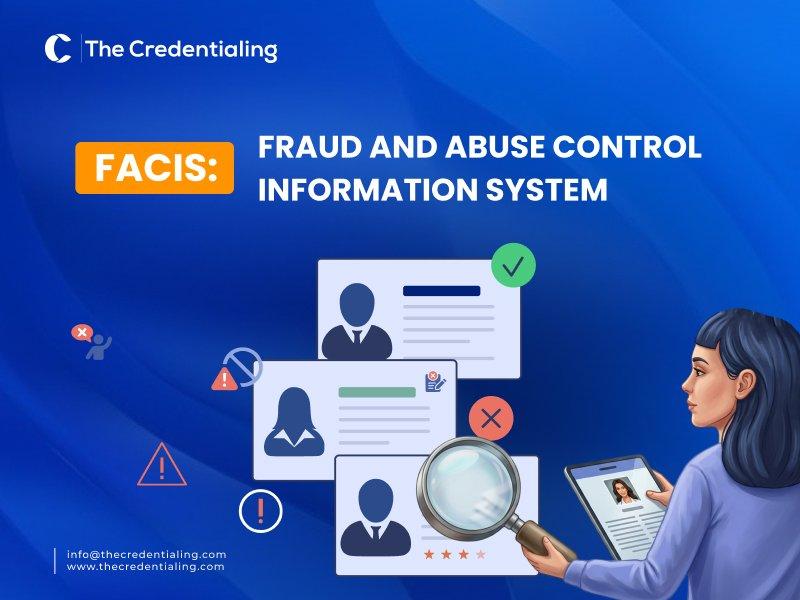
What You Need to Know about FACIS Background Checks
A Fraud and Abuse Control Information System (FACIS) background check is used to identify healthcare professionals who have been excluded, suspended, or debarred for fraud, abuse, or other misconduct.
FACIS background checks are conducted regularly through the credentialing portal, where we process them for healthcare employers across the country. Below is an overview of what FACIS searches involve and why they are critical for healthcare organizations.
Quick Facts
-
The Fraud and Abuse Control Information System (FACIS) check consists of several federal and state databases that are searched to determine the individuals or entities that are excluded from taking part in federally funded healthcare programs.
-
FACIS screenings help healthcare organizations stay in compliance with regulations, protect patient health, and ensure their federal contract eligibility.
-
The lack of FACIS checks may result in huge fines, penalties, and even the loss of the right to participate in such programs as Medicare and Medicaid.
-
Healthcare employers should also use other background checks besides FACIS screenings to have a clear picture of the history of each candidate before deciding on whether to hire or not.
What Is FACIS Search?
A FACIS search is a background check employed in healthcare hiring. It examines over 5,000 federal and state data sources in 50 U.S. states and six U.S. territories. This search indicates that an individual or an organization has been:
-
Debarred
-
Excluded
-
Suspended
-
Sanctioned
-
Punished due to fraud, abuse, or misconduct.
Simply, it assists healthcare employers in not recruiting a person who cannot legally work in federally funded healthcare programs, such as Medicare or Medicaid.
Why Should You Run a FACIS Check?
FACIS checks safeguard your patients, your organization, and your contracts. The reason they are important is as follows:

1. Protect Patient Safety
A FACIS search may show any previous problems like patient abuse, neglect, or financial misconduct. This is because screening employees, volunteers, and vendors will help you keep your patients in the safe hands of professionals who can be trusted.
2. Decrease the Fraud Risk
Healthcare fraud is a serious issue that costs organizations millions of dollars every year. A FACIS check will assist you in avoiding people who have a record of fraud or financial offenses.
3. Stay Compliant with Federal Rules
Medicare and Medicaid healthcare organizations should not employ or enter into contracts with excluded individuals. Oversight agencies provide federal guidance that requires frequent screening. The non-observance may lead to severe fines or defunding.
4. Protect Your Reputation
One bad hire can damage your organization’s reputation. FACIS checks should be used together with other screenings, such as criminal history, license checks, employment checks, education checks, and SSN traces, to get the full picture before making a decision on whether to hire or not.
Who Needs a FACIS Background Check?
FACIS checks are significant to numerous healthcare occupations, such as:
-
Nurses (LPNs, RNs, Nurse Practitioners)
-
Doctors (MDs, DOs, Chiropractors, Dentists, Optometrists)
-
Physician Assistants
-
Pharmacists
-
Psychologists and Counselors
-
EMTs and Paramedics
-
Respiratory Therapists
-
Certified Nursing Assistants (CNAs).
-
Clinical Laboratories
-
Ambulance Companies
Screening is strongly advised in case a person is either a caregiver of a patient or operating in a healthcare facility that is related to government funding.
FACIS checks protect your patients, your organization, and your contracts. Here’s why they matter:
1. Protect Patient Safety
A FACIS search can reveal past issues such as patient abuse, neglect, or financial misconduct. Screening employees, volunteers, and vendors helps ensure your patients are safe and cared for by trustworthy professionals.
2. Reduce the Risk of Fraud
Healthcare fraud is a serious issue that costs organizations millions of dollars every year. A FACIS check helps you avoid hiring individuals with a history of fraud or financial crimes.
3. Stay Compliant with Federal Rules
Healthcare organizations that work with Medicare and Medicaid must not hire or contract with excluded individuals. Federal guidance from oversight agencies requires regular screening. Failing to comply can result in heavy penalties or loss of funding.
4. Protect Your Reputation
One bad hire can damage your organization’s reputation. Combining FACIS checks with other screenings like criminal history, license verification, employment verification, education checks, and SSN traces gives you a complete picture before making a hiring decision.
The Difference between FACIS Level 1 and Level 3?
There are two main types of FACIS searches:
FACIS Level 1 (Basic Compliance)
Level 1 is at the minimum federal requirements. It verifies significant exclusion and sanction lists, such as:
-
DEA
-
OFAC sanctions list
-
FDA
-
Medicare Opt-Out
-
Tricare
-
State Sanction lists of Medicaid.
-
State debarment records
The level is normally applied in jobs such as EMTs, paramedics, social workers, dieticians, and nutritionists.
FACIS Level 3 (More Comprehensive)
Level 3 contains all Level 1 and many more state and federal sources, including:
-
State licensing and sanctioning boards.
-
Federal and state records of the attorney general.
-
U.S. Attorney records
-
HEAT task forces
Level 3 includes everything in Level 1 plus many additional state and federal sources, such as:
-
Doctors
-
Nurses
-
Nurse Practitioners
-
Physician Assistants
-
Pharmacists
-
Psychologists
-
Clinical Laboratories
-
Ambulance companies
How Can You Get a FACIS Report?
While it’s technically possible to search multiple public databases yourself, it’s time-consuming and complicated. Missing a source or misinterpreting results could put your organization at risk.
The safest and most efficient option is to work with a trusted third-party background screening provider. They can:
-
Conduct accurate and complete FACIS searches
-
Screen new hires and current employees
-
Provide additional background checks for a full hiring review
Verify Before You Employ
Running FACIS checks is not just about compliance; it’s about protecting your patients, your organization, and your future. If your healthcare organization works with federal or state programs, FACIS screening should be a regular part of your hiring process.
5 Essential Guidelines for FACIS Screening
1. Provide Written Notice and Get Consent
Before running any background check, you must inform applicants and employees in writing, as required by the FCRA. The disclosure must be clear and provided as a standalone document. After reviewing it, the applicant must give written permission before the check is conducted.
You may include the consent section within the same form, but be sure it is signed and dated before proceeding.
2. Run FACIS Checks at the Right Time
FACIS checks should be completed:
-
Before making a hiring decision
-
Again, before the employee’s official start date
-
Periodically, after employment begins
Since thousands of new records are added each month, it’s important to recheck before the start date to ensure no new issues have appeared.
3. Integrate FACIS with Other Background Checks
Healthcare employees are exposed to vulnerable patients, and therefore, they should be well-screened. Along with a FACIS check, Along with a FACIS check, consider:
-
Criminal history search
-
Employment verification
-
Education verification
-
Professional license verification
-
SSN trace
-
Search for sex offender registry
-
Search on the national watchlist
-
Pre-employment drug testing
4. Evaluate Criminal Records Carefully
When a candidate is not barred or disqualified and has a criminal record, do not automatically disqualify him. Rather, examine the facts of the conviction and see how it applies to the particular job position, then make a final judgment.
5. Follow the Adverse Action Process
In case you do not want to hire a person after the background report, you have to adhere to the adverse action provisions of the FCRA:
-
Send a pre-adverse action notice, stating the problem and a copy of the background report.
-
Give the applicant time (usually five days) to correct or challenge the information.
-
In case you proceed with the decision, make a final adverse action notice and a summary of their rights as per FCRA and other relevant state laws.
FAQs
1. What does a FACIS background check show?
A FACIS check shows whether a healthcare professional or organization has been excluded, suspended, debarred, or sanctioned at the federal or state level. It pulls information from thousands of databases to identify fraud, abuse, or other disciplinary actions related to healthcare programs.
2. Is a FACIS check required for all healthcare employers?
While not every employer is legally required to run a FACIS check, healthcare organizations that participate in federally funded programs like Medicare or Medicaid are strongly expected to screen employees against exclusion lists. Regular FACIS screening helps ensure compliance and reduce risk.
3. What is the difference between FACIS Level 1 and Level 3?
FACIS Level 1 meets basic federal compliance requirements and checks major exclusion databases. While FACIS Level 3 is more comprehensive and includes additional state and federal disciplinary sources. Level 3 is typically recommended for higher-risk or licensed healthcare roles.
4. What is FACIS level 3 license number?
A FACIS Level 3 license number refers to the professional license number used to conduct a comprehensive FACIS Level 3 background check. It helps verify sanctions, exclusions, and disciplinary actions linked to a licensed healthcare provider across federal and state databases.
5. What happens if a healthcare organization hires an excluded individual?
Hiring someone who is excluded from federal healthcare programs can result in serious consequences, including fines, penalties, repayment obligations, and potential loss of Medicare or Medicaid participation. Conducting regular FACIS checks helps prevent these risks.
Sit Back and Relax! Let The Pros Handle Credentialing For You!
thecredentialing has built a strong portfolio while providing credentialing services to clients over the years. Our service includes helpful features that you won’t find anywhere else.
Schedule Free Demo Today!