Malpractice Insurance Guide for Nurses 2026
Learn how nurses can protect their license with malpractice insurance. Coverage types, costs, and tips explained in 2026 guide
Schedule Free Demo Today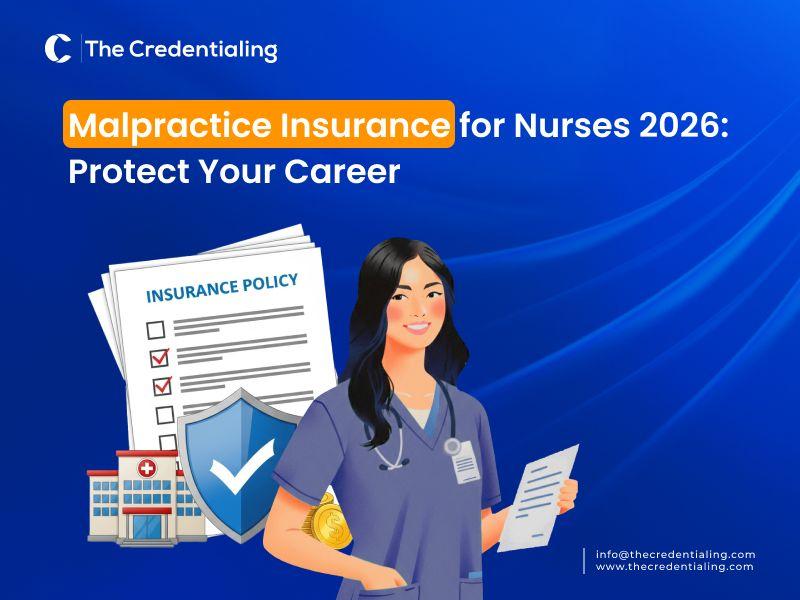
The average medical malpractice payout in the U.S. is over $329,000, but many nurses mistakenly believe their hospital’s insurance completely protects them. Malpractice insurance can be confusing, and without the right coverage, your license and career could be at risk.
Malpractice insurance in healthcare can seem confusing and overwhelming for many practitioners. Additionally, the policies that are meant to be followed often have complicated language, and liabilities can change, making it weirdly tricky to know if you’re fully protected.
That said, having the right coverage is crucial to keep your professional license safe from legal and administrative problems. Once your coverage is active and the limits match your specialty, dealing with legal issues in healthcare becomes much easier instead of stressful.
This guide answers all your questions about malpractice, explaining the basics of professional liability and how to choose the best malpractice insurance for nurses and other clinicians.
Key Takeaways
-
Your employer insurance isn’t enough of a shield; hospital policies cover the institution, not your license or reputation.
-
You can work extra shifts, take travel assignments, volunteer in other states, or respond to an emergency. The coverage goes anywhere you do.
-
Occurrence-based policies provide the best long-term protection by covering incidents even if a claim is filed years down the road.
-
License protection coverage is important as Board of Nursing complaints are a more frequent threat than large lawsuits and have the potential to jeopardize your career.
-
Malpractice insurance is very reasonable, typically under $15 a month for nurses.
-
Emerging risks in 2026 include HIPAA violations, social media mistakes, and AI liability. Modern policies now cover these scenarios.
-
Selecting the appropriate policy limits and consent-to-settle clauses can protect your financial well-being as well as your professional reputation.
Why Malpractice Insurance Is Your Career's Life Support
Simply put, malpractice insurance is professional liability coverage that protects healthcare workers from financial and legal problems if a patient claims negligence. In 2025, the meaning has grown to also include expert legal support to handle a complex court system.
Recent 2025 data shows medical malpractice payouts in the U.S. average around $329,565, and very large verdicts over $5 million are becoming more common.
For nurses, malpractice doesn’t just mean surgical errors. It can include medication mistakes, not monitoring a patient properly, or not speaking up when a doctor’s order seems wrong.
Having your own policy means you have a legal team focused only on protecting you, not the hospital, giving peace of mind while you care for patients.
Does Your Hospital's Insurance Really Cover You?
Many nurses believe they don’t need a separate insurance because their employer already provides coverage. This is a common and risky misunderstanding. Hospitals usually have a “blanket” policy, but its main purpose is to protect the hospital, not individual nurses.
If both you and the hospital are named in a lawsuit, problems can happen. The hospital’s lawyers may choose a solution that protects the facility, even if it harms your professional record.
These policies often have shared limits, which means if several staff members are involved in one incident, the available money could run out before your legal costs are paid.
Employer coverage also does not follow you. It won’t protect you if you work extra shifts, travel nurse, or help in an emergency outside work.
An individual policy, like registered nurse malpractice insurance, stays with you wherever you practice and gives you personal protection and peace of mind.
Occurrence-Based vs. Claims-Made: Which Policy Wins?
When looking for malpractice insurance, you will encounter two main types of policies. Choosing the wrong one can lead to somewhat big "gaps" in your protection.
-
Occurrence-Based Policy: This is mostly recognized as the "Gold Standard" for most nurses. It covers all incidents that happen while the policy is active and operable. It doesn't matter when the claim is filed. If you had this policy in 2024 and are sued in 2028, you are definitely still covered.
-
Claims-Made Policy: This only covers you if both the incident and the lawsuit occur while the policy is active and working. If you decide to switch jobs or retire, your coverage stops at the exact moment you do it, unless you go for tail coverage malpractice.
Claims-made policies only cover incidents and lawsuits that occur while the policy is active. Changes in employment, location, or payer enrollment can affect your coverage, so maintaining up-to-date records is worth the trouble.
This is particularly crucial for health providers who transition between jobs, add new practice locations, or switch insurance networks. When you hire provider credentialing and enrollment services to keep your credentials and payer enrollments always updated, it avoids any coverage gaps that might make you vulnerable during a policy change.
What’s Tail coverage? It's an additional premium paid to "extend" a claims-made policy into the future. Without it, you could be left totally unprotected for the care you provided years ago.
Malpractice Insurance for RNs and NPs: Basics Explained
When it comes to secure practice, not all of the available nursing roles carry the same level of risk, and your insurance should reflect your specific scope of practice to the last detail.
-
Registered Nurses (RNs).
For RNs generally, RN malpractice insurance focuses on the most common risks that practitioners face regularly.
Medication errors, patient falls, and not reporting changes in a patient’s condition.
In 2025, there is also a rise in administrative claims, especially related to mistakes in electronic health record (EHR) documentation.
-
Nurse Practitioners (NPs)
NPs have more independence and can prescribe medications, which increases their liability. Nurse practitioner malpractice insurance tends to be more expensive because NPs are often held to the same standard of care as doctors.
Key coverage areas include diagnostic errors and medication management.
-
The Upcoming Generation
What most upcoming practitioners don’t realize is that even before you graduate, you are at risk. Nursing student liability insurance is usually required for clinical rotations. It protects you if a simple mistake during learning has real-world legal consequences.
License Defense Coverage: Protect Your Nursing License
While many worry about multi-million dollar lawsuits, you are actually more likely to face a State Board of Nursing (BON) investigation.
A patient or even a coworker can file a complaint against your license for “unprofessional conduct,” and the hospital’s insurance usually won’t help you defend yourself.
This is where professional liability insurance for nurses becomes very important. Top providers like NSO (Nurses Service Organization) or CM&F insurance include License Defense as a standard feature.
This covers a specialized nurse attorney who can represent you in front of the board, helping you avoid a public reprimand, suspension, or loss of your license. In 2025, hiring a private license defense attorney can easily cost over $10,000, an expense your policy would cover.
What Does Malpractice Insurance Actually Cost?

One of the biggest surprises for healthcare workers is how affordable malpractice insurance cost can be for individual practitioners.
-
Registered Nurses: Nurses pay somewhere between $100 and $160 per year for a $1M/$6M coverage, using RN malpractice insurance.
-
Nurse Practitioners: Depending on the specialty of the practitioner (for example, Psychiatry vs. OB), premiums can range somewhere between $250 to over $1,500 per year with nurse practitioner malpractice insurance.
-
Students: Nursing student liability insurance can be for as little as $35 to $50 per year.
When you pay about $120 per year for insurance, it can protect you from all types of claims that average over $300,000, making it a smart investment for both your peace of mind and a steady practice, simultaneously.
Modern Liability: Navigating HIPAA, Social Media, and AI in 2026
The risks in 2026 are mostly digital. There has been a rise in HIPAA and social media mistakes, like nurses accidentally showing patient information in “Day in the Life” videos.
Today’s malpractice insurance can include extra coverage for these risks, such as Cyber Liability or HIPAA Defense riders.
Also, as AI tools start helping with charting and patient triage, it’s still unclear who is responsible if an AI makes a mistake. Having your own professional liability insurance means you have legal experts who understand these new 2026 challenges and can protect you if issues arise.
Get Your Insurance Quote in 4 Easy Steps
Getting protected is factually much simpler than what most people believe. Here is how to secure your malpractice insurance quote today:
-
Gather Your Info: You’ll need your nursing license number, your NPI number, and details about your primary area of practice. Even small errors or outdated enrollments can delay approvals or affect policy eligibility. Many clinicians streamline this step by working with enrollment services, ensuring their information is verified before comparing malpractice insurance options.
-
Choose Your Limits: The industry standard is $1 million per claim / $6 million aggregate. This means the insurance will pay up to $1M for one case and up to $6M total in a single year.
-
Check for "Consent to Settle": Make sure your policy has a clause that specifically says that the company cannot settle a claim without your written permission. This will help you protect your professional reputation.
-
Compare Providers: Look at NSO malpractice insurance, CM&F, and Berxi to see which offers the best "License Defense" and "Assault Coverage" for your specific state. Then go with the one that offers the most benefits.
Conclusion: Keeping Your Career Safe
We understand that your nursing or practice license is not just a piece of paper; instead, it holds both livelihood and a reflection of your identity.
With rising lawsuits and stricter rules, going without your individual malpractice insurance is a risk you shouldn’t take.
For the cost of just a few cups of coffee each month, you can make sure that no matter what happens during your shift, you have the support and legal protection needed to defend your career.
Frequently Asked Questions (FAQs)
Q: Does my insurance cover me if I volunteer?
Yes, most individual policies include "Good Samaritan" coverage. This protects you when providing emergency care outside of your normal work environment. It ensures you have legal and financial protection even in unexpected volunteer situations.
Q: Can I be sued if I was just following a doctor's orders?
Yes. Nurses have an independent duty to their patients, which means you can be held liable even when following orders. If an order is clearly unsafe or goes against standard practice, you are legally responsible for the outcome.
Q: What is "Assault Coverage"?
Assault coverage is a feature included in many 2026 malpractice policies. It pays for medical care, counseling, or legal support if you are physically assaulted by a patient while on duty. This coverage helps protect both your health and your financial well-being.
Q: What's the difference between claims-made and occurrence-based policies in simple terms?
Occurrence-based policies cover incidents that happen while the policy is active, even if a claim is filed years later. Claims-made policies only cover claims reported during the active policy period, which often requires tail coverage when you leave. Choosing the right type ensures continuous protection for past work.
Q: If I have malpractice insurance through my employer, why would I need my own policy?
Employer coverage protects the hospital first, not your individual license. Their lawyers may make decisions that prioritize the institution over your career. Having your own policy ensures coverage follows you to side jobs, travel assignments, or after leaving employment.
Sit Back and Relax! Let The Pros Handle Credentialing For You!
thecredentialing has built a strong portfolio while providing credentialing services to clients over the years. Our service includes helpful features that you won’t find anywhere else.
Schedule Free Demo Today!